Navigating the Crypto Trading Arena: Uncovering the Best Platforms
In the rapidly evolving landscape of cryptocurrency trading, finding the ideal platform can be a daunting task. With myriad options available, traders face the challenge of selecting a platform that aligns with their specific needs and aspirations. This comprehensive guide delves into the world of crypto trading platforms, shedding light on their intricacies and helping you make an informed decision.
What is the Best Platform for Crypto Trading?
The quest for the "best" crypto trading platform is subjective, as the optimal choice hinges on individual trading preferences, risk appetite, and specific requirements. That said, certain factors play a pivotal role in evaluating and selecting a suitable platform.
Key Factors to Consider
Security and Reliability
The safety and reliability of a platform are paramount, especially in the volatile and often unpredictable realm of cryptocurrency trading. Reputable platforms employ robust security protocols, such as two-factor authentication (2FA), cold storage for digital assets, and strict compliance with industry standards, ensuring the protection of your investments.
Fees and Commissions
Trading fees and commissions can significantly impact your returns. Carefully compare the fee structures of different platforms, considering both trading fees and withdrawal charges. Transparent and competitive fee arrangements are desirable, especially for high-volume traders.
Trading Features and Tools
The availability of advanced trading features and tools can enhance your trading experience. Look for platforms that offer a comprehensive suite of features, including limit orders, stop-loss orders, charting tools, and customizable trading interfaces. These tools empower traders to refine their trading strategies and make informed decisions.
Liquidity and Trading Volume
Liquidity is crucial for executing trades efficiently and without significant slippage. Platforms with high trading volume provide ample liquidity, enabling traders to enter and exit positions with ease. Monitoring the trading volume of various cryptocurrencies on different platforms can provide insights into their liquidity levels.
Customer Support
Responsive and reliable customer support is invaluable in case of technical issues, account inquiries, or any other concerns. Ensure that your chosen platform offers multiple support channels, including live chat, email, and phone support, with knowledgeable and courteous representatives.
Top Crypto Trading Platforms
Based on a thorough evaluation of the aforementioned factors, here are some of the top crypto trading platforms currently operating in the market:
| Platform | Key Features | |---|---| | Binance | Extensive cryptocurrency selection, low fees, advanced trading features | | Coinbase | User-friendly interface, robust security measures, high liquidity | | Huobi | Comprehensive charting tools, copy trading capabilities, deep liquidity | | Kraken | Advanced order types, OTC trading services, exceptional customer support | | FTX | Low fees, high leverage options, professional trading tools |
**Subheading: Subheadings with *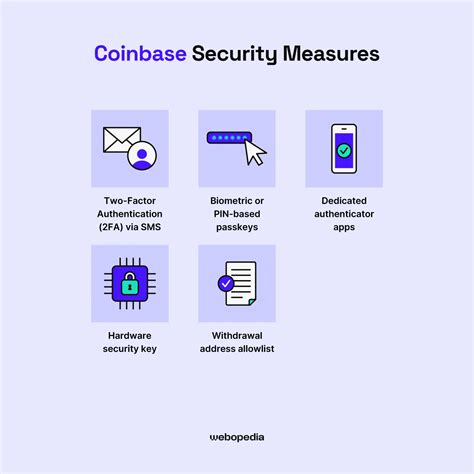
Coinbase Security Measures
Coinbase, renowned for its stringent security protocols, employs a multi-layered approach to safeguard user assets:
- Two-factor authentication (2FA) provides an extra layer of protection against unauthorized access.
- Cold storage, where the majority of user funds are held offline, mitigates the risk of cyberattacks and theft.
- Insurance coverage protects a portion of user deposits in the unlikely event of a security breach.
- Regular security audits ensure that Coinbase's systems remain up-to-date and compliant with industry best practices.
Understanding Cryptocurrency Trading
Cryptocurrency trading involves buying and selling digital assets known as cryptocurrencies, such as Bitcoin, Ethereum, and Litecoin. Traders speculate on the price movements of these cryptocurrencies to generate profits. There are various trading strategies employed, including day trading, swing trading, and long-term investing.
Types of Crypto Trading Platforms
Centralized Exchanges (CEXs): Operated by a third party, CEXs facilitate trades between buyers and sellers. They provide a regulated and user-friendly trading environment, often offering a wide selection of cryptocurrencies and advanced trading features.
Decentralized Exchanges (DEXs): DEXs operate in a peer-to-peer manner, enabling traders to directly connect with each other without the need for an intermediary. DEXs prioritize decentralization and anonymity, but may offer limited trading options and lower liquidity.
Understanding Cryptocurrency Wallets
Cryptocurrency wallets are essential for storing digital assets securely. There are various types of wallets, including software wallets, hardware wallets, and paper wallets. The choice of wallet depends on security requirements, convenience, and ease of use.
Risks Associated with Crypto Trading
Crypto trading carries inherent risks, including price volatility, market manipulation, and cyberattacks. Understanding these risks and implementing appropriate risk management strategies is crucial for successful trading.
FAQs
1. Which platform is best for beginners?
- Coinbase and Binance offer user-friendly interfaces and educational resources suitable for beginners.
2. How do I choose the right crypto trading platform?
- Consider factors such as security, fees, trading features, liquidity, and customer support.
3. What is the safest way to store cryptocurrencies?
- Hardware wallets provide the highest level of security for long-term storage.
4. How do I start trading cryptocurrencies?
- Choose a trading platform, create an account, fund your account, and begin trading.
5. What is the best trading strategy for cryptocurrencies?
- The best strategy depends on individual risk appetite and trading preferences.
6. How do I avoid scams in crypto trading?
- Research platforms thoroughly, avoid unsolicited investment advice, and never share personal information.
7. What are the tax implications of crypto trading?
- Tax regulations vary depending on the jurisdiction. Consult with a tax professional for guidance.
Conclusion
Selecting the best crypto trading platform is a critical decision that requires careful consideration of individual requirements and trading goals. By evaluating factors such as security, fees, trading features, liquidity, and customer support, you can identify a platform that aligns with your specific needs. Remember that crypto trading involves risks, and it's important to approach the market with a clear understanding of the risks involved and implement appropriate risk management strategies.
SEO-Keywords:
Crypto Trading, Crypto Exchange, Cryptocurrency Platform, Bitcoin Trading, Ethereum Trading, Crypto Trading Guide
.