What Crypto Exchanges Are Legal in the US?
The world of cryptocurrency is vast and ever-evolving, and with it comes a plethora of exchanges that allow users to buy, sell, and trade digital assets. Yet, when it comes to the United States, not all crypto exchanges are created equal. Navigating the regulatory landscape can be a daunting task, especially for those new to the world of cryptocurrency. This comprehensive guide will delve into the legal landscape of crypto exchanges in the US, providing insights into the intricacies of compliance, licensing, and the specific platforms that operate within the confines of the law.
1. Regulatory Overview: The SEC and FinCEN Take Center Stage
The US regulatory landscape for crypto exchanges is predominantly shaped by two key agencies: the Securities and Exchange Commission (SEC) and the Financial Crimes Enforcement Network (FinCEN). The SEC classifies certain cryptocurrencies as securities, subjecting them to the same stringent regulations as traditional financial instruments. This means that exchanges that trade these 'securities' must register with the SEC and comply with all applicable regulations.
FinCEN, on the other hand, plays a crucial role in combating illicit activities in the financial sector, including cryptocurrency transactions. Exchanges are required to register with FinCEN as Money Service Businesses (MSBs) and implement robust anti-money laundering (AML) and know-your-customer (KYC) protocols.
2. Licensing Requirements: A State-by-State Patchwork
In addition to federal regulations, crypto exchanges must also navigate a patchwork of state-level licensing requirements. While some states have adopted comprehensive regulatory frameworks for crypto exchanges, others have yet to establish clear guidelines.
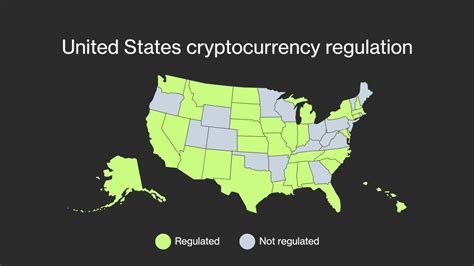
As a result, exchanges may need to obtain separate licenses in each state where they operate. This can be a complex and time-consuming process, adding to the regulatory burden on crypto exchanges.
3. Legal Crypto Exchanges in the US: A Select Few
Only a handful of crypto exchanges have successfully navigated the US regulatory landscape and obtained the necessary licenses and approvals. These exchanges have demonstrated a commitment to compliance and security, reassuring users that their funds and transactions are protected.
[Table 1: Legal Crypto Exchanges in the US]
| Exchange | Licenses and Compliance | Notable Features | |---|---|---| | Coinbase | SEC-registered, FinCEN-licensed, state licenses | User-friendly, large asset selection, high trading volume | | Binance.US | FinCEN-licensed, state licenses | Separate entity from Binance, tailored for US market | | Kraken | FinCEN-licensed, state licenses | Margin trading, staking, over-the-counter trading | | Gemini | NYDFS-regulated, FinCEN-licensed | Secure storage, high transaction limits, institutional focus |
4. Choosing a Legal Crypto Exchange: Considerations
When selecting a legal crypto exchange in the US, there are several key factors to consider:
- Licensing and Compliance: Ensure the exchange holds the necessary licenses and complies with all applicable regulations.
- Security: Look for exchanges with robust security measures, including cold storage, encryption, and two-factor authentication.
- Fees: Compare trading fees, withdrawal fees, and deposit fees to find an exchange that aligns with your trading needs.
- Asset Selection: Consider the variety of cryptocurrencies offered by the exchange and whether they meet your investment objectives.
- Customer Support: Evaluate the quality of customer support, including response times and availability of 24/7 assistance.
5. Why Use a Legal Crypto Exchange?
Transacting with a legal crypto exchange offers numerous advantages:
- Protection: Legal exchanges operate under strict regulatory frameworks, providing users with legal recourse in case of disputes.
- Security: Reputable exchanges implement rigorous security measures to safeguard user funds and transactions.
- Compliance: Legal exchanges adhere to AML/KYC protocols, preventing illicit activities and ensuring transparency.
- Peace of Mind: Trading on a legal exchange eliminates the risks associated with unregulated platforms, providing users with peace of mind.
6. FAQs: Unlocking the Complexities
1. Are all crypto exchanges legal in the US? No, only a handful of crypto exchanges have obtained the necessary licenses and approvals to operate legally in the US.
2. How do I find a legal crypto exchange? Research the exchange's licenses, compliance status, and security measures to ensure it meets legal requirements.
3. What are the benefits of using a legal crypto exchange? Legal crypto exchanges offer protection, security, compliance, and peace of mind.
4. What are the risks of using an unregulated crypto exchange? Unregulated exchanges may engage in illicit activities, lack security measures, and offer no legal recourse in case of disputes.
5. How do I report an illegal crypto exchange? Contact the SEC or FinCEN to report any suspected illegal crypto exchange activities.
Conclusion
Navigating the crypto exchange landscape in the US can be a complex endeavor, but understanding the regulatory landscape and choosing a legal platform is crucial for staying within the confines of the law and protecting your assets. By adhering to the guidelines outlined in this comprehensive guide, you can confidently engage in the world of cryptocurrency, knowing that your transactions are conducted on a legal and compliant platform.
SEO-Keywords: Crypto exchanges, legal crypto exchanges, US crypto exchanges, SEC, FinCEN, state licenses, compliance, security, FAQs
